How flags, passports and a timestamp make an incomplete claim feel like a national event.
The phrase “The sad day for every Canadian” performs several jobs at once. It declares a shared identity, assigns an emotion and implies that the event is already understood. Yet the event itself never appears.
Then comes the smaller line: “News arrived 24 minutes ago, sadly”. The timestamp lends the cadence of a newsroom alert while leaving the subject unnamed.
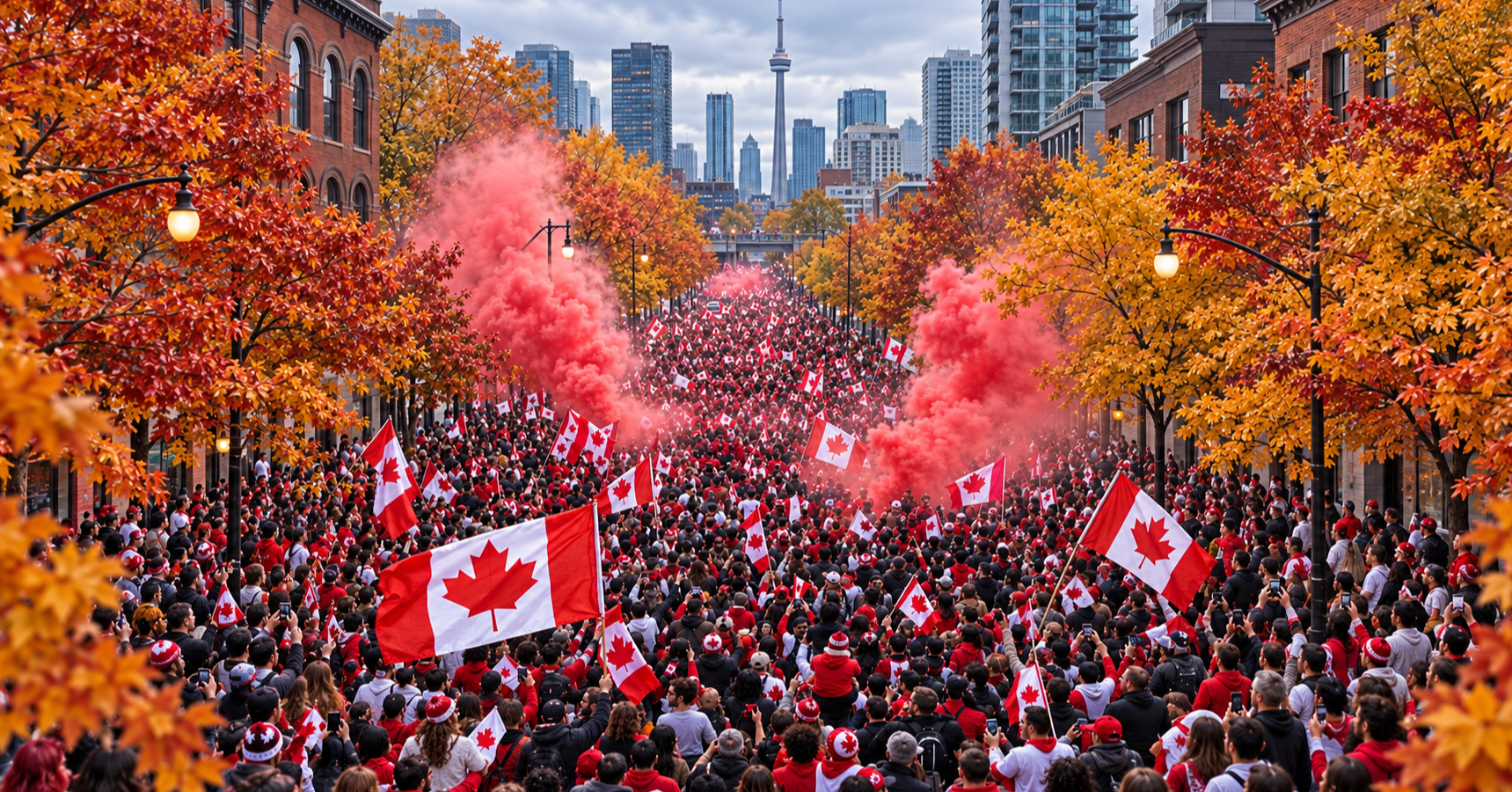
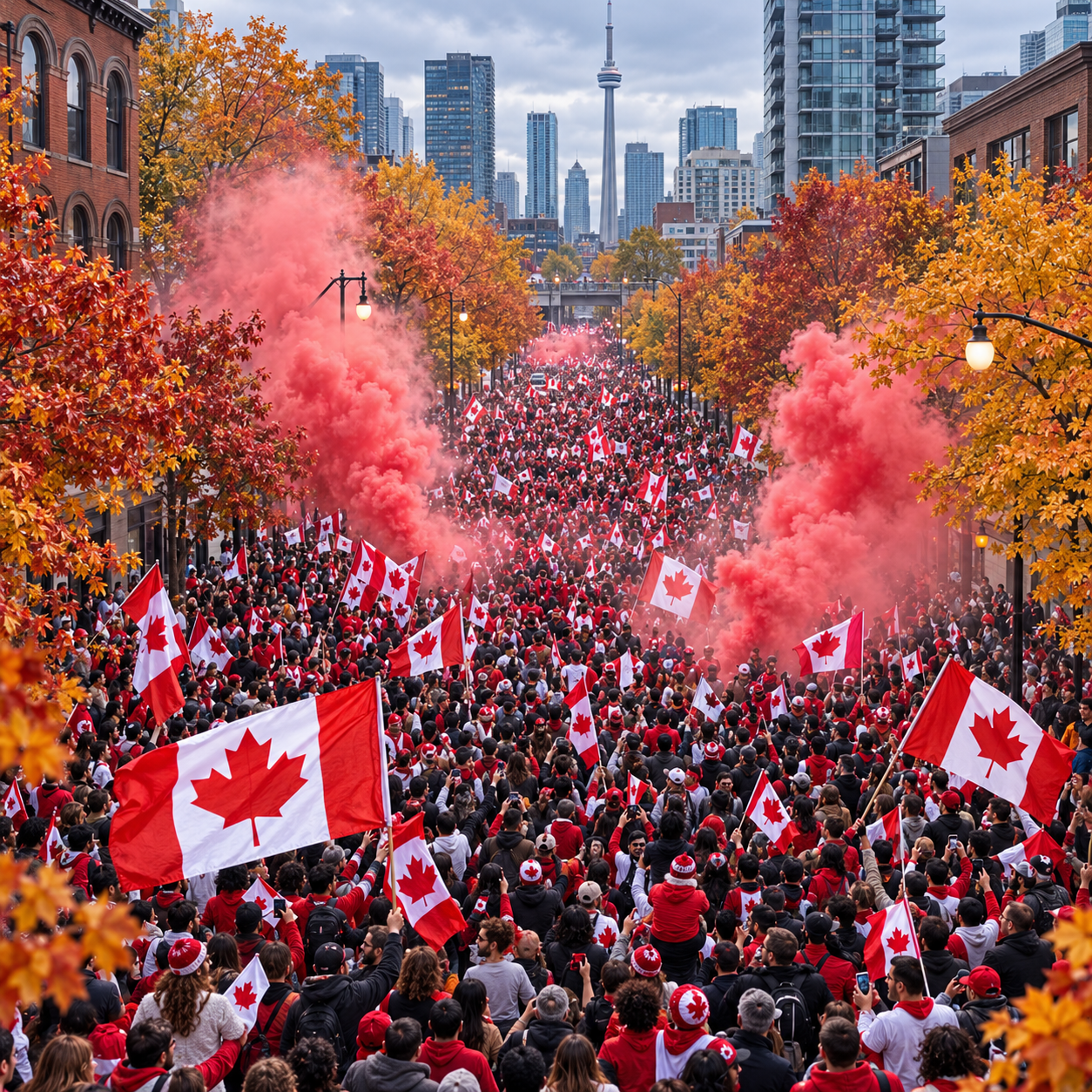
PLATE 01 · The crowd turns an individual post into a collective scene.
A
The flag as a shortcut
Repeated national symbols make a message feel public even when its source is private or unknown.
B
The skyline as a location cue
A recognizable city can anchor an image without dating it or explaining why people gathered.
C
Smoke as emotional punctuation
Colour and density amplify urgency. Neither element names a law, program or decision.
“A photograph may be authentic and the caption attached to it may still be misleading.”
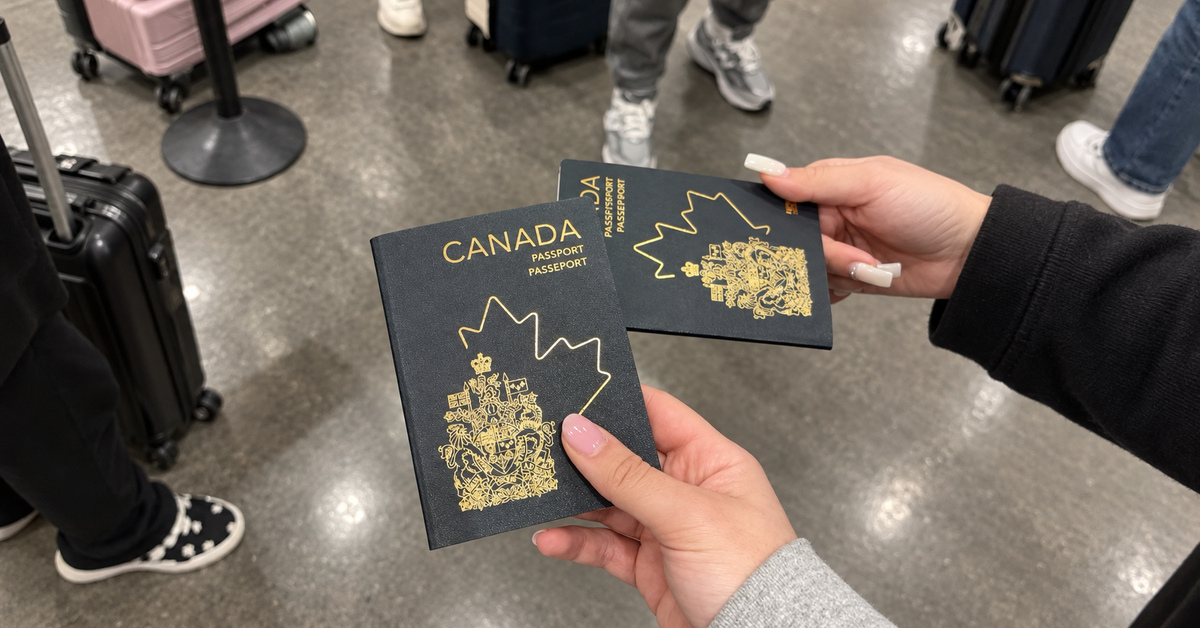
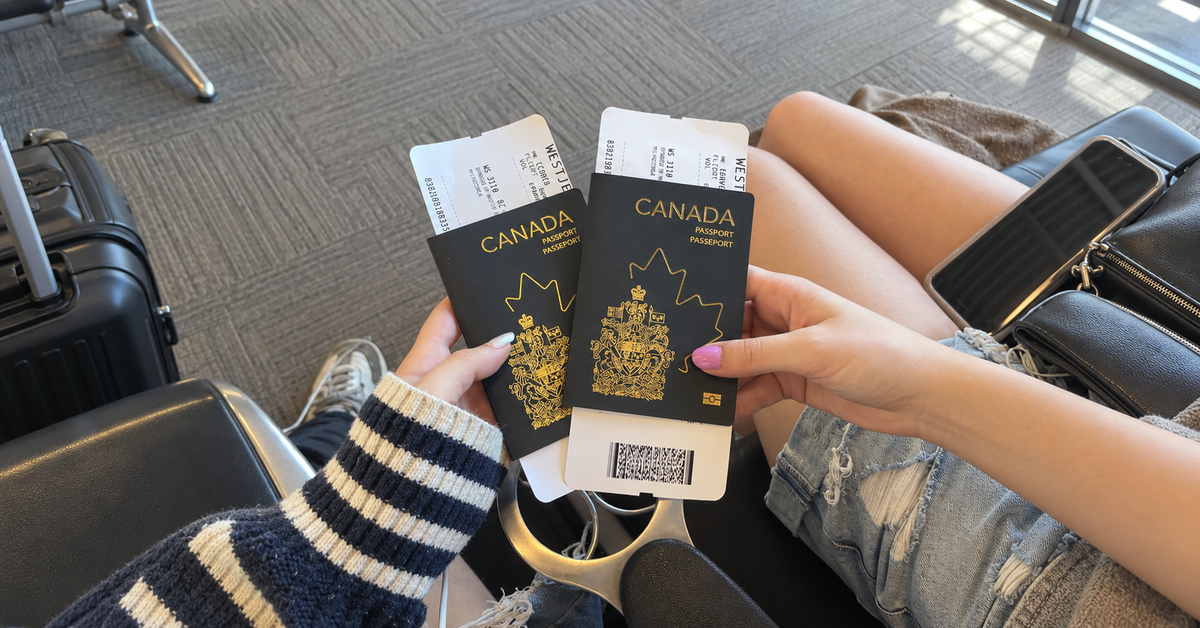
SECOND OBJECT
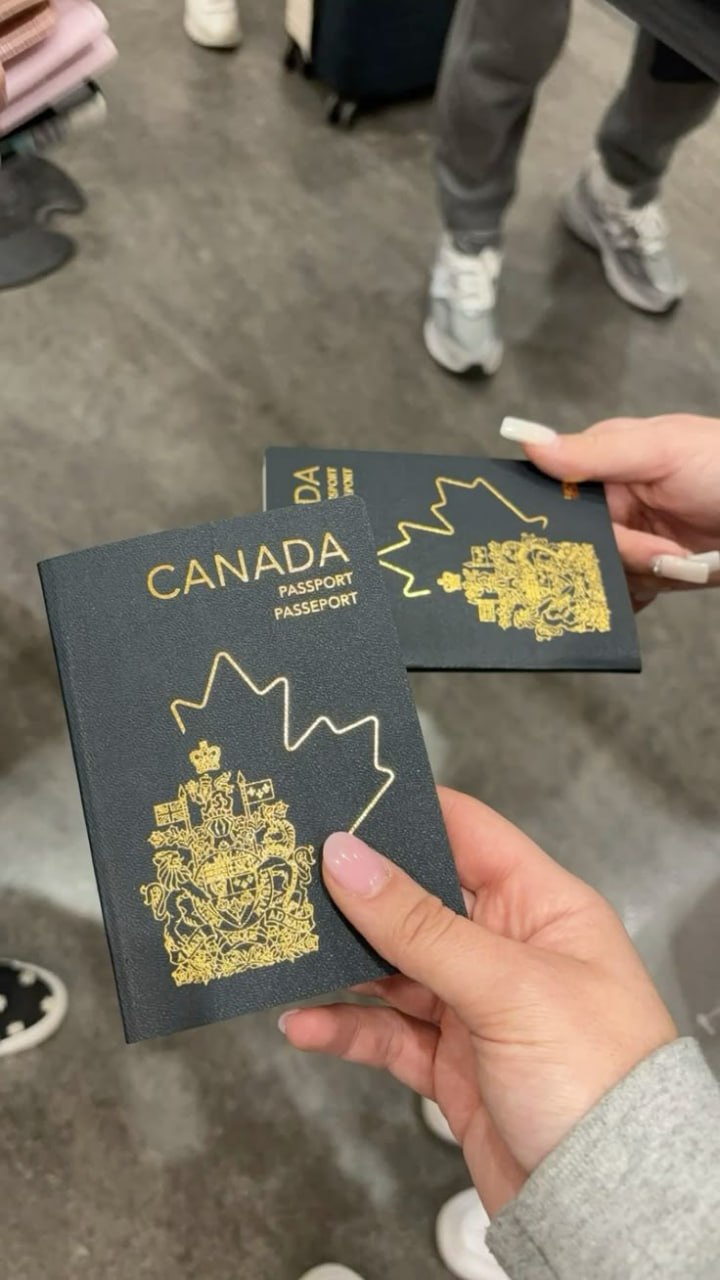
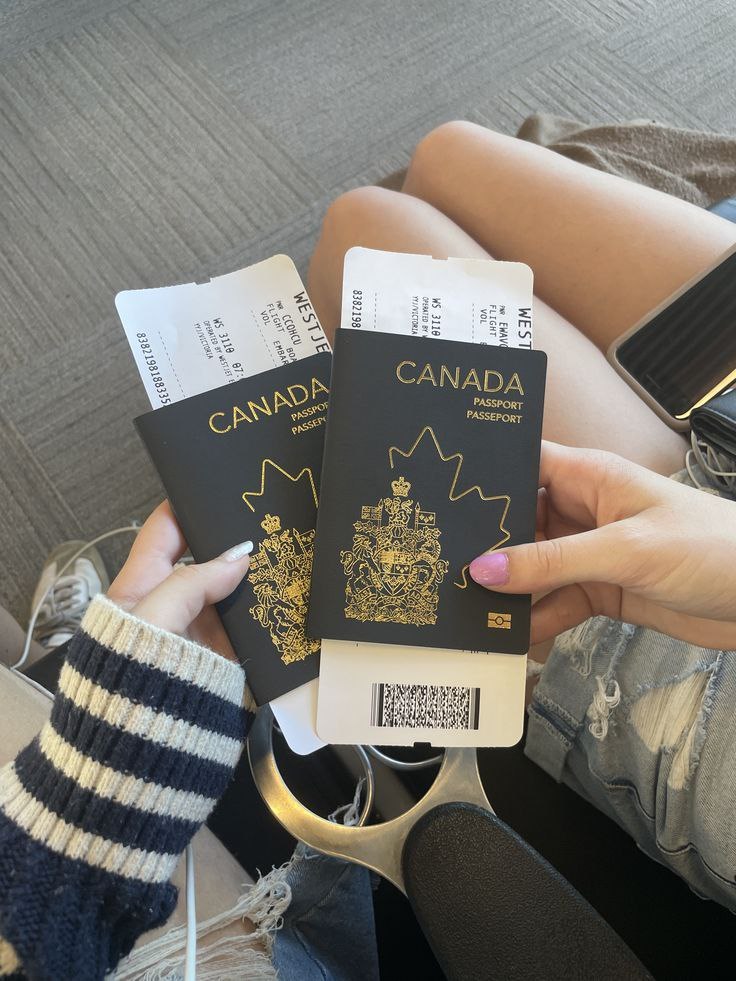
The passport carries private meaning into public argument
For a traveller, the passport is intimate: proof of identity, permission to move, and a record of borders crossed. For a publisher, its cover is instantly legible. That is why it is powerful—and why it deserves precise captioning.
A responsible caption would state where and when the image was made, what is visible, and whether it relates directly to the reported event.
Four questions for the reader
What fact is the image being asked to prove?
Could the same photograph illustrate a different story?
Who supplied the caption?
Where is the primary record?
ABOUT THIS PUBLICATION
What Canadian Civic Review is for
A long-form civic magazine about national symbols, public language and the editorial responsibility attached to powerful images.
Every supplied image appears in this edition. Captions describe only what is visible and do not turn an illustration into evidence.
01 A wide frame establishes scale, colour and urban setting.02 A tighter crop emphasizes the crowd while leaving the event identity unverified.03 Travel documents create context but do not disclose a policy or personal status.04 Boarding passes and passports show travel preparation, not entry eligibility.05 The portrait view brings attention to the document covers without reproducing personal details.06 The second portrait frame connects documents with a journey while remaining illustrative.
READER TOOLS
Check the claim before it changes your plans
A short source worksheet and plain-language answers from Canadian Civic Review.
Source check worksheet
This is not a visa eligibility assessment.
Quick questions
No. It establishes a travel theme, not the existence or scope of a policy.
Find the original publisher, document title, publication date and effective date.
Confirm the claim through the responsible authority or carrier before acting or paying anyone.
Your privacy choices
This publication uses browser storage to remember accessibility and cookie preferences. It does not use advertising or analytics cookies.